


RAMDDA Launch Marks a New Chapter for Drug Discovery Research and Academic Mobility in Africa
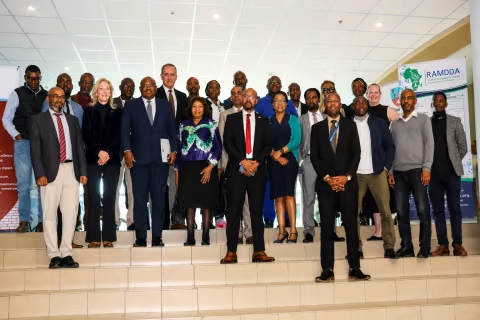
The official launch of the Research and Academic Mobility for Drug Discovery in Africa (RAMDDA) project marked an important milestone in advancing postgraduate training, scientific research, and institutional collaboration across Africa.
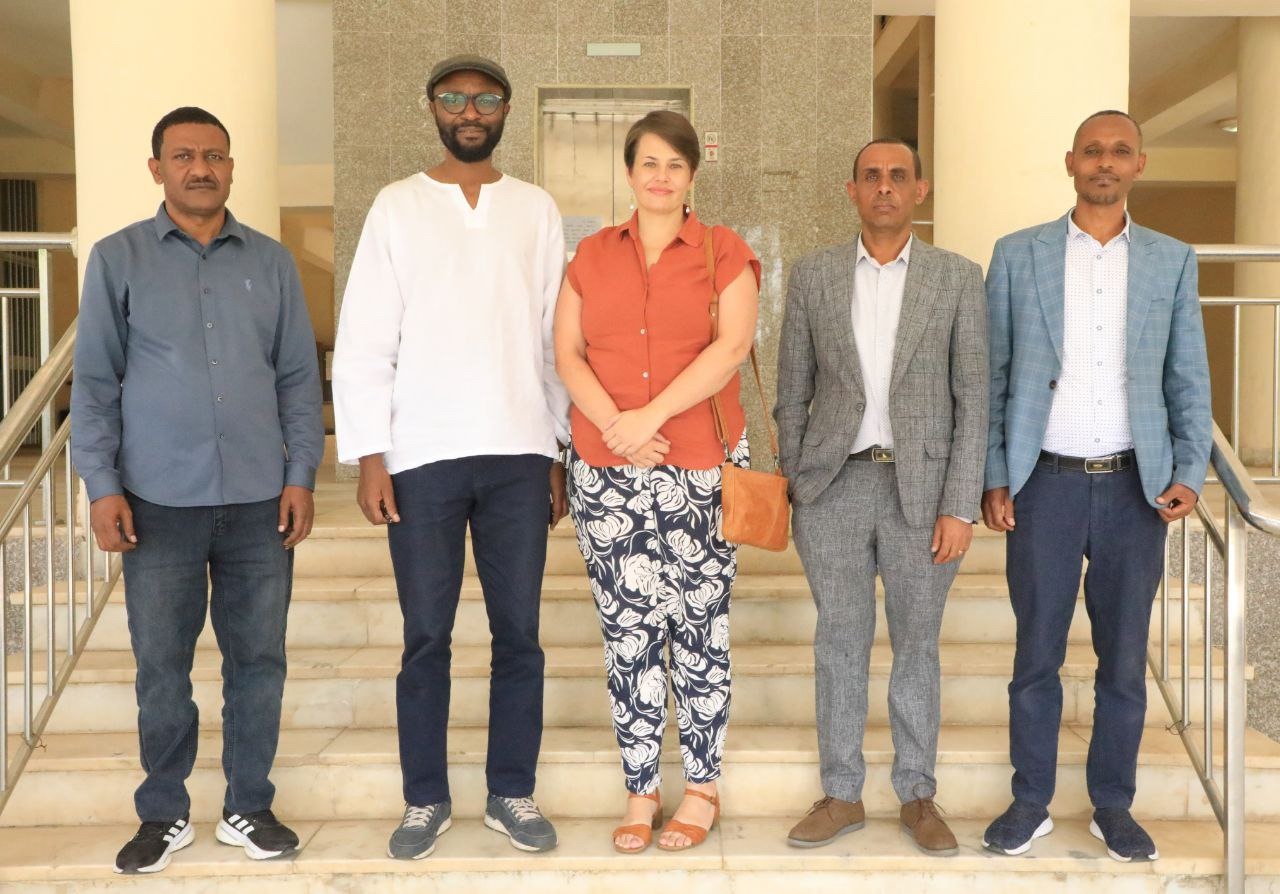
Hosted by the University of Botswana on 13 May 2026, the launch brought together representatives from partner universities, government institutions, the European Union, researchers, academic staff, and postgraduate students to celebrate the beginning of a transformative initiative focused on strengthening research capacity in drug discovery and related disciplines.
Funded by the European Union under the Intra-Africa Academic Mobility Scheme, RAMDDA aims to strengthen academic mobility, postgraduate training, collaborative research, and institutional capacity in advanced areas of drug discovery, medicinal chemistry, natural products research, computational chemistry, materials chemistry, and related fields. The project brings together a consortium of leading institutions from Botswana, Ethiopia, Ghana, South Africa, and Ireland.
The project is coordinated by the University of Botswana and involves Botswana International University of Science and Technology (BIUST), Addis Ababa University (AAU), Adama Science and Technology University (ASTU), University of Ghana (UG), University of the Free State (UFS), and University College Cork (UCC) as the European technical partner.
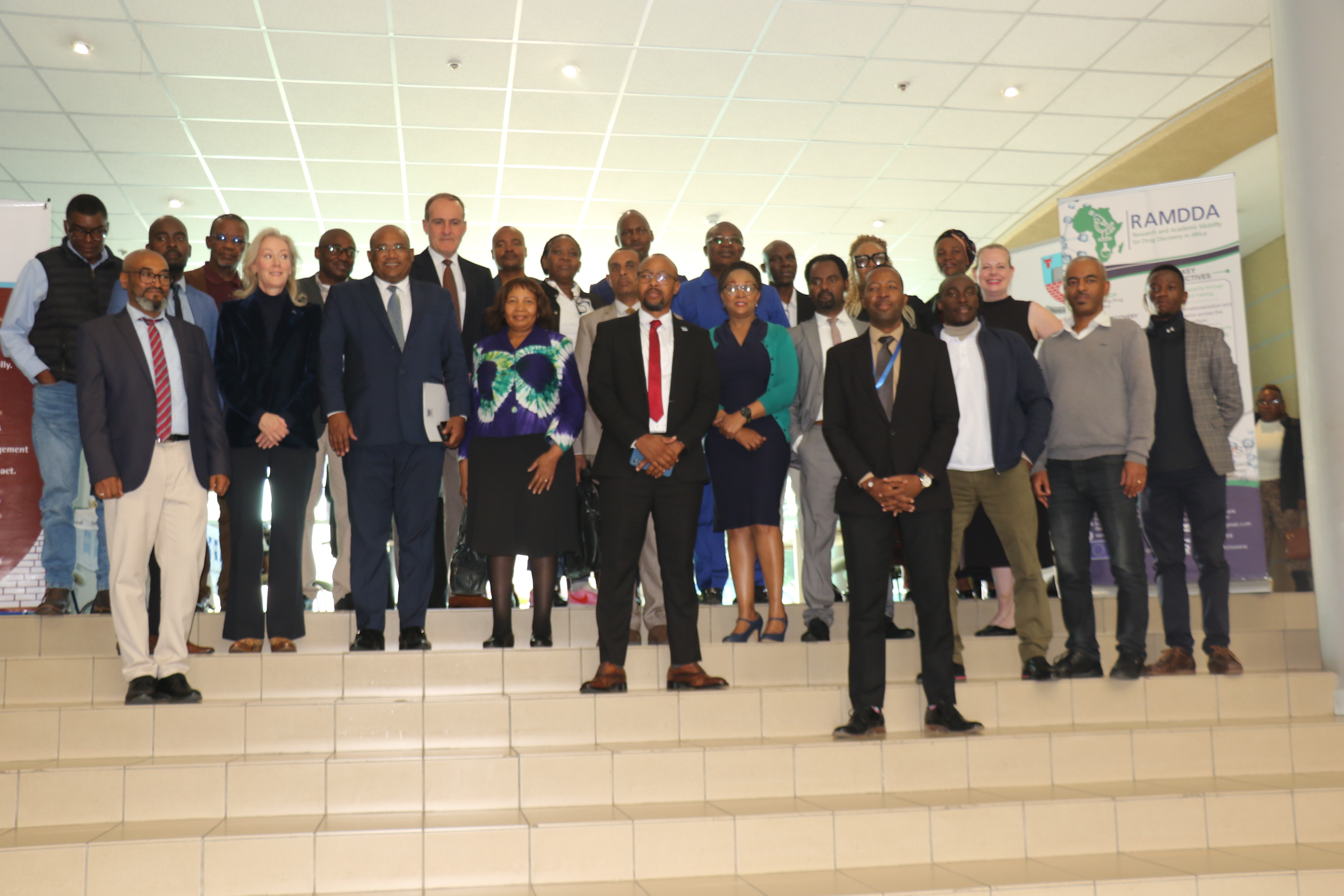
Strengthening Research Capacity Across Africa
RAMDDA was established to address critical gaps in advanced training and research capacity in drug discovery while promoting collaboration among African higher education institutions. Through student and staff mobility, joint supervision, shared research infrastructure, and collaborative projects, the programme seeks to develop a new generation of highly skilled African scientists capable of addressing major health challenges affecting the continent.
The project supports mobility opportunities for MSc and PhD students, research trainees, and academic staff. These exchanges will allow participants to access specialized facilities, advanced laboratory training, computational resources, and expertise available across the consortium institutions.
By facilitating cross-border research collaboration, RAMDDA aims to enhance scientific excellence, strengthen postgraduate education, and improve research outputs in areas directly relevant to antimicrobial, anticancer, and other drug discovery programmes.
Advancing Collaborative Research and Innovation
A key feature of RAMDDA is its emphasis on collaborative and interdisciplinary research. Researchers and students from partner institutions will work together on projects involving natural products, medicinal chemistry, computational modelling, bioactivity screening, materials chemistry, analytical sciences, and advanced drug design approaches.
The programme promotes the sharing of knowledge, facilities, and expertise among partner universities, creating opportunities for stronger research networks and sustainable scientific partnerships across the continent. This collaborative model is expected to increase research productivity, improve supervision quality, and generate impactful scientific outputs addressing African health priorities.
Supporting the Next Generation of African Scientists
One of the major goals of RAMDDA is to contribute to the development of highly trained researchers capable of driving scientific innovation and research-led development in Africa.
Through mobility scholarships, mentorship, joint supervision, and specialized training opportunities, the project will expose students and early-career researchers to diverse research environments and advanced scientific methodologies. These experiences are expected to strengthen technical skills, research independence, leadership capacity, and international competitiveness.
The programme also promotes the internationalization of postgraduate education while strengthening institutional capacity within participating African universities.
A Shared Vision for Sustainable Scientific Development
The launch event highlighted the importance of partnerships in building sustainable research ecosystems. Speakers emphasized that strengthening African scientific capacity requires long-term collaboration, investment in postgraduate training, improved research infrastructure, and increased opportunities for mobility and knowledge exchange.
RAMDDA contributes directly to these objectives by creating a platform where institutions can work collectively to address scientific challenges while building strong academic and research networks across the continent.
The project also aligns with broader continental and international goals related to research excellence, innovation, higher education development, and health research capacity strengthening. Through strategic partnerships and collaborative training initiatives, RAMDDA seeks to contribute to Africa’s growing role in global scientific research and innovation.
Looking Ahead
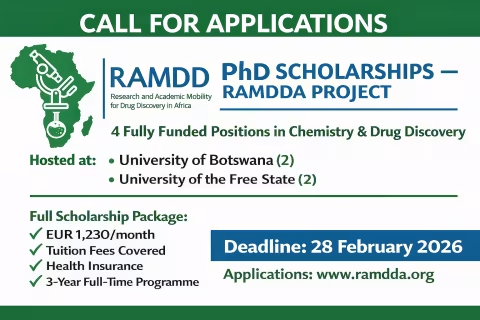
Following its successful launch, RAMDDA has already begun implementing scholarship calls, mobility programmes, and collaborative research activities across partner institutions. Over the coming years, the project will support postgraduate training, staff exchanges, joint research initiatives, capacity-building activities, workshops, and scientific dissemination events.
As the programme progresses, RAMDDA is expected to make significant contributions to strengthening drug discovery research, advancing postgraduate education, promoting scientific collaboration, and developing sustainable research capacity across Africa.
By connecting researchers, institutions, and future scientific leaders, RAMDDA is helping build a stronger and more interconnected African research community dedicated to addressing some of the continent’s most pressing health challenges.
More news can also be found from the University of Botswana's Webpage
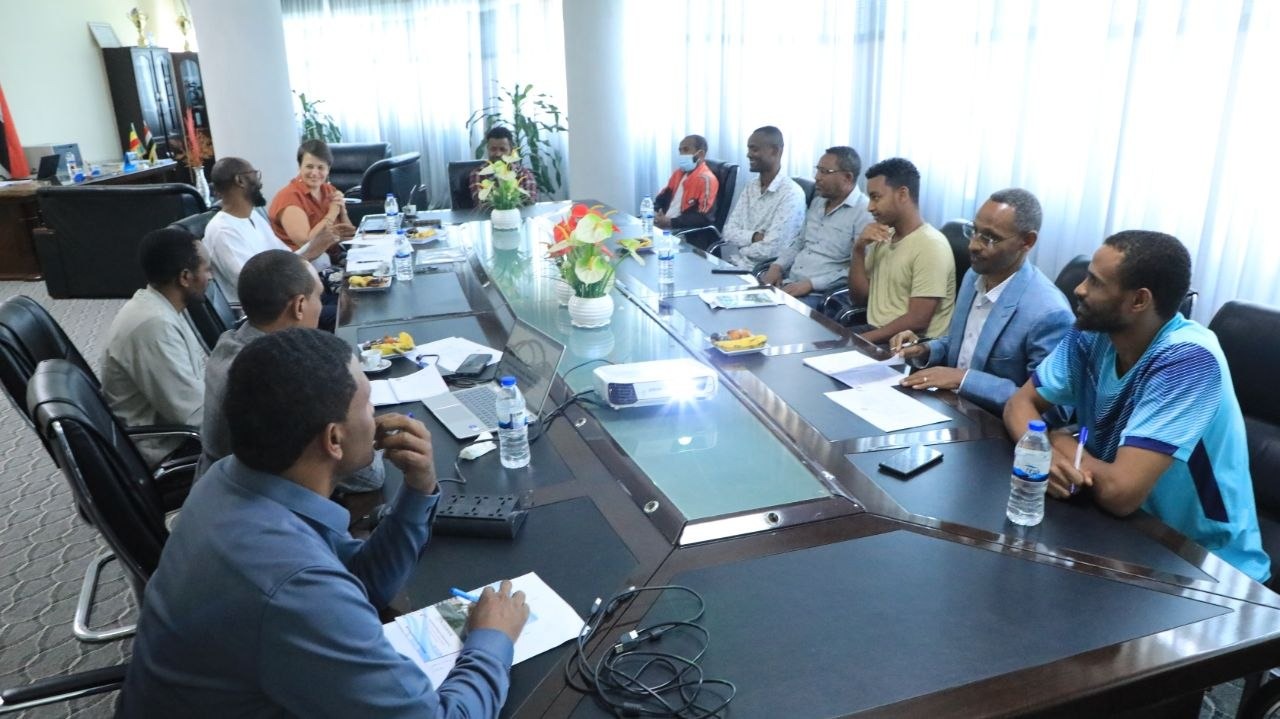 mobility.